AI for construction
The answer was inthe specs all along.
It still took nine and a half days to find it. Capstones builds the software that reads the documents your project already has, so the work stops waiting on the paperwork.
AI for construction
It still took nine and a half days to find it. Capstones builds the software that reads the documents your project already has, so the work stops waiting on the paperwork.
This is what the paperwork costs.
Navigant Construction Forum, a study of 1,000,000 RFIs across 1,300 projects. Rework figures from the Autodesk and FMI report Harnessing the Data Advantage in Construction, 3,900 respondents.
Why four
One project
The drawings, specs, permits and bids are the same documents all the way through a job. Capstones reads them at each phase, so a miss in one does not arrive as a bill in the next.
Four places to catch it
Each phase hands its documents to the next one. Miss it here and you pay for it there.
Phase 01 · VDC
Virtual design & construction
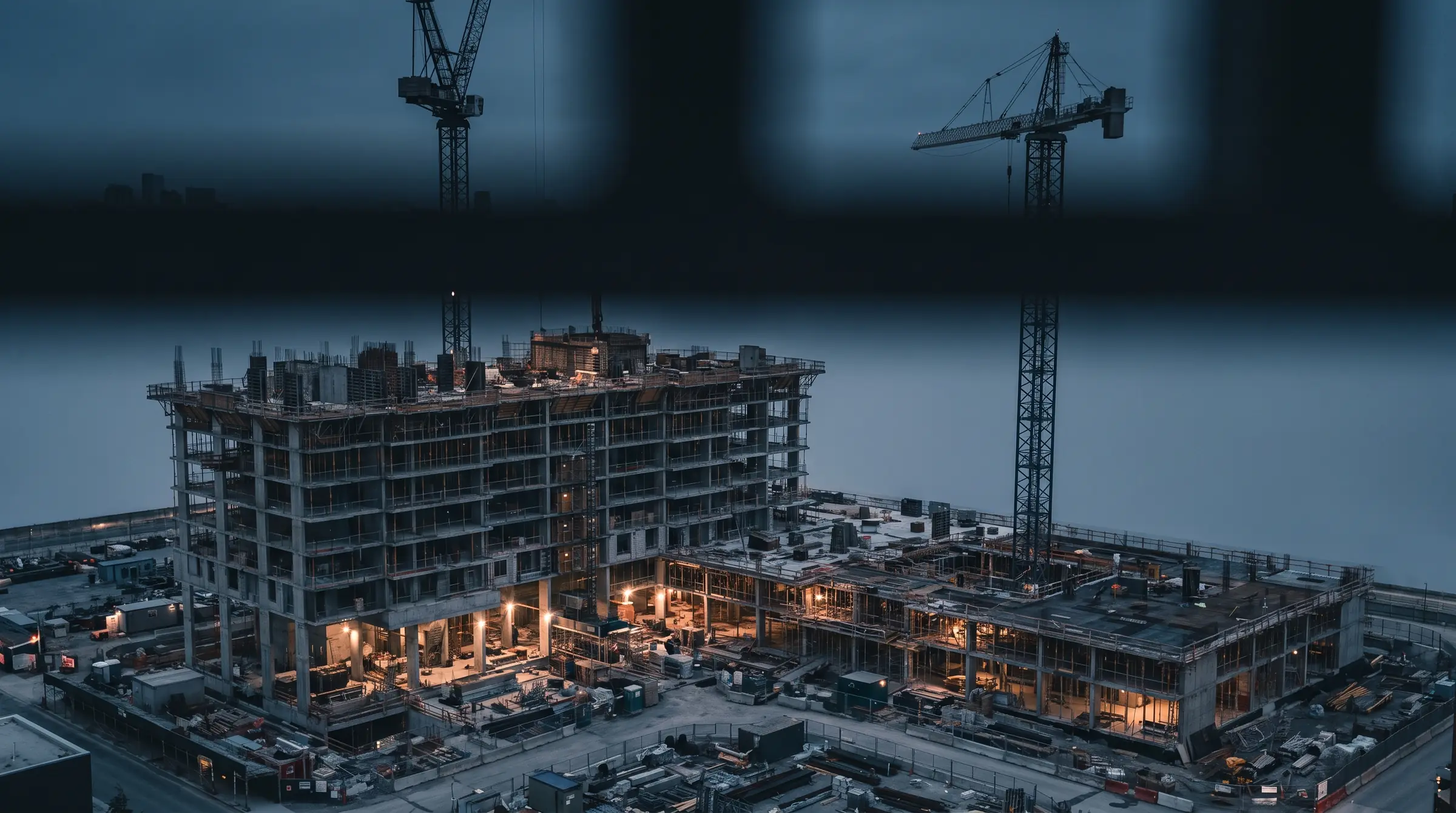
The model and the field disagree, and nobody finds out until it is poured.
Bad data drives 14% of all rework — $88.7bn a year.
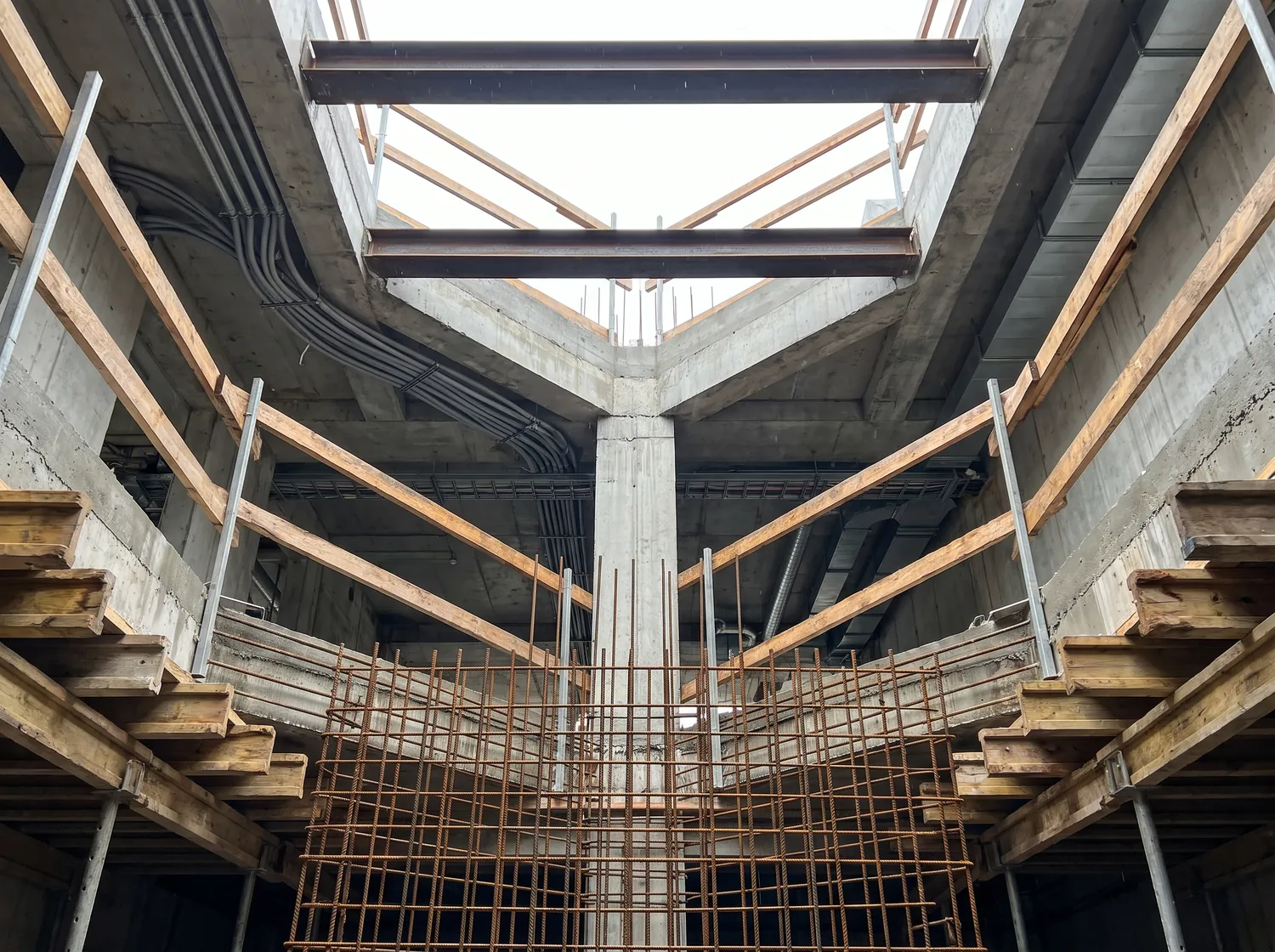
Draxler checks the model against what is actually being built, and raises the clash while it is still cheap to move.
Phase 02 · Permitting
The city sends the set back with corrections a careful read would have caught, and every round is another month in review.
Each resubmittal cycle is weeks of carrying cost on a site you cannot build on.
Iris reads the drawing set against the Florida Building Code before you submit, flags what a plan reviewer would, and drafts code-cited responses when the comments come back.
Pre-submission review — Building
Phase 03 · Pre-construction
Four subs quote the same package. One of them quietly excluded the thing you actually needed.
The gap you buy at bid comes back as a change order.
Specflow reads the proposals and levels them to the same scope, so you are comparing like with like before you buy it out.
Phase 04 · Project engineering
The answer is in the spec book. Finding it takes days you do not have.
9.7 days. $1,080 each. One in eight never needed asking.
FieldPE reads the question, finds the clause, drafts the response — and waits for you to approve it.

RFI draft — awaiting your approval
Penetrations through structural members shall not be made without written approval of the Structural Engineer of Record.
While nobody is signed in
Five jobs run on their own — one when mail arrives, four on a timer.
They run as whoever the company designates, so Procore records a real person as the author. Nothing is issued until somebody approves it.
A sub emails a question. FieldPE reads it, finds the drawing and spec that answer it, and creates the RFI in Procore as a draft — numbered by nobody, sent to nobody.
When every schedule tag on a submittal clears, it closes the record in Procore and tells the people who were waiting on it.
An answer that changes the work is a change order waiting to be written. It drafts the event, collects sub pricing in the same thread, and leaves the money on both sides.
Every change event that landed this month, gathered into one owner PCO with the backup attached, on the day you close the month.
When the architect reissues a sheet or a spec section changes, the per-trade scopes are rebuilt against the new set rather than quietly going stale.
The review gate
These documents carry money and liability. Software that guesses at them is worse than no software at all.
Grounded in the drawings, specs and correspondence for that job — not a general model’s impression of how buildings work.
Every draft cites the sheet or spec section it came from, so it can be checked in seconds rather than rebuilt.
FieldPE drafts it in Procore, but nothing reaches an architect, an owner or a subcontractor until somebody with a licence has approved it.
FieldPE is live today and connects to the Procore project you are already running. Iris is live too, and reviews your permit set before the city does. The rest is being built behind them.